
Course Handbook
MGT 511 — Advanced Strategic Management in a Global Economy
MGT 511
Free preview — first 50% of pages · use Next for each page
California Century University · edu.namecentury.com
Country from reader IP via GeoIP — no personal data stored.
Showing 34 of 67 handbook pages (50% free preview). Enroll for the full book, vocabulary notes, and library sync.

Course Handbook
MGT 511
Free preview — first 50% of pages · use Next for each page
California Century University Editor

California Century University
Course Handbook
MGT 511
Based on: Mastering Strategic Management (University of Minnesota Open Textbook)
Publication date: June 24, 2026
California Century University · Distance Education · APA 7th Edition Format
Condensed study manual (~119 A4 pages · approximately 17% of source textbook length)
Welcome to MGT 511 — Advanced Strategic Management in a Global Economy, a core course designed for working adult learners at California Century University. This course offers an in-depth exploration of the theories, frameworks, and practical applications essential for developing and executing effective organizational strategies in today's complex and interconnected global marketplace. As future or current leaders, your ability to think strategically, anticipate change, and guide your organizations toward sustainable competitive advantage is paramount (Carpenter et al., 2010).
This handbook serves as your primary companion and guide for MGT 511. It has been meticulously developed to condense and present the foundational concepts of strategic management, drawing heavily from the comprehensive insights provided in Mastering Strategic Management (Carpenter et al., 2010). While this handbook provides a structured overview and highlights critical areas, it is not intended to replace the primary textbook. Instead, it functions as a curated resource, offering clear explanations, practical examples, and a roadmap for your self-paced learning journey.
Our goal is to facilitate your understanding of how organizations formulate, implement, and evaluate strategies to achieve their long-term objectives. You will delve into various analytical tools and decision-making processes that underpin successful strategic leadership, preparing you to navigate the dynamic challenges of a global economy (Carpenter et al., 2010).
To maximize your learning experience in MGT 511, we recommend the following approach for utilizing this handbook:
As a distance learner, you have the flexibility to manage your study schedule, but this also requires discipline and effective self-management. Consider these strategies for successful self-paced learning:
Each unit in this handbook concludes with a set of "Unit Review Questions." These questions are designed as a self-assessment tool to help you:
We strongly encourage you to attempt to answer these questions without referring back to the text initially. Once you have formulated your answers, compare them with the unit's content to check for accuracy and completeness. Use this process to guide your further study and ensure a thorough grasp of the material.
As a graduate-level student at California Century University, mastering academic integrity and proper citation practices is fundamental. All written assignments in MGT 511, and indeed throughout your program, must adhere to the guidelines of the American Psychological Association (APA) 7th Edition style.
This handbook will consistently employ APA 7th edition in-text citations, such as (Carpenter et al., 2010), to model appropriate academic referencing. We encourage you to pay close attention to these examples and integrate proper citation into your own work from the outset of the course. Consistent practice will build your proficiency.
Proper citation not only acknowledges the intellectual contributions of others but also strengthens the credibility and scholarly rigor of your own arguments. Familiarize yourself with the APA 7th Edition Manual or utilize resources provided by the CCU Writing Center for comprehensive guidance on formatting, referencing, and avoiding plagiarism.

Welcome to MGT 511 — Advanced Strategic Management in a Global Economy. In this foundational unit, we embark on a critical exploration of business ethics, recognizing it not merely as a peripheral concern but as an indispensable cornerstone of effective strategic management in today's complex and interconnected global landscape. For working-adult learners navigating the intricacies of modern organizations, understanding the ethical dimensions of strategic decisions is paramount. This unit will demonstrate that ethical considerations are not merely about compliance or avoiding legal pitfalls; rather, they are deeply intertwined with an organization’s long-term sustainability, competitive advantage, reputation, and ability to foster meaningful relationships with its diverse stakeholders.
Strategic management, at its core, involves making choices that define an organization's direction, allocate its resources, and shape its future. In an advanced context, these choices are rarely simple, often involving trade-offs and impacting a multitude of internal and external parties. The ethical lens provides a framework for evaluating these choices, ensuring that strategic pursuits align with societal values, promote fairness, and contribute positively to the broader global community. As we delve into the concepts presented in OpenStax Business Ethics chapters 1-3, we will consistently connect these ethical principles to the practical realities and strategic imperatives faced by leaders in a global economy.
By the end of this unit, you will gain a comprehensive understanding of what business ethics entails, how it intersects with legal frameworks, the evolving nature of corporate social responsibility, and the critical importance of adopting a stakeholder-centric approach to strategic decision-making. These insights will serve as a robust ethical foundation for the advanced strategic concepts we will explore throughout this course.
In the realm of advanced strategic management, ethics transcends mere philosophical debate; it becomes a practical, actionable framework that profoundly influences an organization's trajectory, its capacity for innovation, and its resilience in the face of global challenges. The ethical choices made by leaders and embedded within organizational culture directly impact everything from product development and market entry strategies to human resource policies and investor relations. Understanding the foundational role of ethics is therefore not an optional add-on but a strategic imperative for any enterprise aiming for sustainable success in a globalized world.
To engage meaningfully with business ethics, it is crucial to first establish a clear understanding of its core terminology. While often used interchangeably in colloquial speech, "ethics," "morals," and "values" possess distinct meanings within an academic and professional context, each contributing uniquely to the ethical landscape of an organization (OpenStax, 2023).
The interplay between these three concepts is dynamic. Organizational values, such as integrity and accountability, form the bedrock upon which an ethical framework is built. This ethical framework then guides the development of policies, codes of conduct, and decision-making processes, which in turn influence the moral choices and behaviors of individual employees. When there is a strong alignment between an organization's stated values, its ethical policies, and the personal morals of its employees, a robust ethical culture emerges, fostering trust, commitment, and a shared sense of purpose. Conversely, a misalignment can lead to ethical breaches, reputational damage, and a breakdown of trust, which can be strategically debilitating in a global market where information travels instantaneously.
In the advanced strategic management context, the notion that business ethics is merely a compliance function or a public relations exercise is outdated and strategically unsound. Instead, ethics is increasingly recognized as an indispensable element that underpins long-term success, competitive advantage, and organizational resilience. Its importance extends far beyond avoiding legal penalties, permeating every aspect of an organization's operations and its interactions with the global environment (OpenStax, 2023).
In essence, integrating ethics into advanced strategic management means recognizing that responsible conduct is not a constraint on profitability but a catalyst for it. It is about building a business that not only succeeds financially but also contributes positively to society, ensuring its relevance and longevity in an increasingly scrutinizing global economy.
Strategic management often involves making complex decisions under conditions of uncertainty, with significant implications for an organization's future. When these decisions involve conflicting moral principles or competing stakeholder interests, they present what are known as ethical dilemmas. Navigating these dilemmas effectively is a hallmark of advanced strategic leadership, particularly in a global economy where cultural norms and ethical expectations can vary widely (OpenStax, 2023).
While a deep dive into these frameworks is beyond the scope of this introductory unit, recognizing their existence highlights that ethical decision-making is not purely subjective but can be informed by systematic reasoning. Strategic leaders often implicitly or explicitly draw upon elements of these frameworks when grappling with complex ethical choices, seeking a balance that aligns with organizational values and stakeholder expectations.
Navigating ethical dilemmas is an ongoing challenge in advanced strategic management. It requires not only a strong ethical compass but also critical thinking, empathy, and the ability to balance competing demands while upholding the organization's commitment to responsible conduct in a globalized world.
For strategic leaders, understanding the relationship between ethics and law is fundamental. While often intertwined, these two domains are distinct, each playing a crucial yet different role in shaping business conduct. Legal compliance provides a baseline, setting minimum standards of acceptable behavior, but ethical considerations extend far beyond these legal mandates, guiding organizations toward responsible and sustainable practices that build trust and long-term value. In a global economy, this distinction becomes even more critical, as legal frameworks vary significantly across jurisdictions, while ethical principles often aspire to more universal standards.
A common misconception in business is that if an action is legal, it is automatically ethical. This perspective, however, oversimplifies a complex relationship and can lead to strategic missteps. Advanced strategic management requires a nuanced understanding that legal compliance represents a floor, not a ceiling, for responsible corporate behavior (OpenStax, 2023).
For advanced strategic management, relying solely on legal compliance is a risky strategy. It leaves an organization vulnerable to shifts in public opinion, evolving ethical standards, and future legal changes. Embracing a higher ethical standard, even when not legally mandated, builds a stronger, more resilient organization that is better positioned for long-term success and respected by its global stakeholders.
The legal landscape affecting business is multifaceted, drawing from various sources that collectively establish the rules of engagement for commercial activities. Strategic leaders must understand these sources not only for compliance but also to anticipate how they shape and reflect societal ethical expectations, particularly in a global context (OpenStax, 2023).
In sum, the various sources of law provide a complex and dynamic framework for business operations. Strategic leaders must not only ensure strict legal compliance but also understand the ethical principles embedded within these laws and anticipate how evolving legal and societal expectations will shape future ethical responsibilities. This proactive ethical stance can transform legal compliance from a mere cost center into a strategic advantage.
In an era of heightened scrutiny, global operations, and rapid information dissemination, robust ethical compliance programs have evolved from being merely defensive mechanisms to strategic imperatives. For advanced strategic management, these programs are not just about avoiding penalties; they are about cultivating an ethical culture that underpins long-term value creation, risk mitigation, and sustained competitive advantage (OpenStax, 2023).
A strategically designed global compliance program helps an organization navigate these complexities, mitigate international risks, and build a consistent ethical reputation across its worldwide operations.
In essence, an ethical compliance program is a strategic investment. It protects the organization from legal and reputational harm, but more importantly, it cultivates a culture of integrity, fosters trust among stakeholders, and strengthens the organization's foundation for sustainable growth and competitive advantage in the global economy.
The concept of Corporate Social Responsibility (CSR) represents a significant evolution in business ethics, moving beyond mere legal compliance to embrace a broader commitment to societal well-being. For advanced strategic management, CSR is no longer a peripheral philanthropic activity but an integral component of an organization's core strategy, influencing its brand, talent acquisition, risk management, and long-term sustainability in a globalized world. This section explores the historical shift towards CSR, its various dimensions, and the critical role of ethical leadership in driving its successful implementation.
The trajectory of business ethics has witnessed a profound shift from a singular focus on shareholder wealth maximization to a more expansive view that incorporates broader societal and environmental responsibilities. This evolution reflects changing societal expectations, increased global interconnectedness, and a growing understanding of the long-term implications of business activities (OpenStax, 2023).
These forces led to the emergence of Corporate Social Responsibility (CSR) as a concept that posits businesses have responsibilities beyond just making a profit. CSR suggests that companies should integrate social and environmental concerns into their business operations and interactions with their stakeholders. It acknowledges that businesses are integral parts of society and therefore have a role to play in addressing societal challenges.
Strategically, the TBL encourages organizations to adopt a holistic view of value creation, recognizing that social and environmental performance can directly influence long-term financial viability and competitive advantage. For example, investing in sustainable manufacturing processes might initially increase costs but can lead to long-term savings, enhanced brand reputation, and access to new markets for eco-conscious consumers.
The evolution from shareholder primacy to a broader understanding of corporate responsibility signifies a maturing perspective on the role of business in society. For strategic leaders, embracing CSR is no longer optional; it is a fundamental aspect of building resilient, reputable, and successful organizations in the 21st century global economy.
Corporate Social Responsibility (CSR) is a multifaceted concept that encompasses a company's commitment to operating ethically and contributing to economic development while improving the quality of life for its workforce and their families, as well as for the local community and society at large. For strategic managers, understanding the various dimensions of CSR and how to implement them effectively is crucial for building a sustainable and reputable enterprise (OpenStax, 2023).
For advanced strategic management, the goal is to integrate these layers, ensuring that economic pursuits are conducted legally, ethically, and with a philanthropic spirit, rather than treating them as separate, sequential obligations.
In conclusion, successful implementation of CSR requires a strategic mindset that views social and environmental responsibility not as an obligation but as an opportunity to innovate, differentiate, and build a more resilient and respected organization in the global economy.
While CSR initiatives often involve company-wide programs and policies, their ultimate success and authenticity are profoundly shaped by the commitment and actions of an organization's leadership. Ethical leadership is not merely about setting a good example; it is about actively driving the integration of social and environmental responsibility into the very fabric of the organization's strategy and culture, particularly in a global context (OpenStax, 2023).
In conclusion, ethical leadership is the engine that drives authentic and impactful CSR. By serving as role models, fostering an ethical culture, communicating values, and empowering employees, leaders ensure that CSR is not just a policy statement but a living, breathing commitment that permeates every aspect of the organization's strategic operations, making it a truly responsible and sustainable global entity.
The stakeholder approach represents a fundamental paradigm shift in advanced strategic management, moving beyond the traditional shareholder-centric view to acknowledge the complex web of relationships an organization has with various groups and individuals. In a global economy, where businesses operate across diverse cultures and regulatory environments, understanding and actively managing these stakeholder relationships is not just an ethical imperative but a critical strategic capability for long-term success, resilience, and reputation (OpenStax, 2023).
A core tenet of the stakeholder approach is the systematic identification and classification of all parties who have a vested interest in, or are affected by, an organization's activities. This comprehensive view ensures that strategic decisions consider a broader range of impacts and opportunities (OpenStax, 2023).
Strategic stakeholder mapping involves systematically identifying all relevant stakeholders, understanding their interests, assessing their potential impact on the organization, and prioritizing them based on their salience (power, legitimacy, urgency). This comprehensive mapping is the first step towards developing effective stakeholder engagement strategies that are ethically sound and strategically beneficial.
By adopting a thorough approach to identifying and classifying stakeholders, strategic managers can develop a more holistic understanding of their operating environment, anticipate potential challenges, and build stronger, more resilient relationships that contribute to long-term value creation in a globalized world.
The debate between stakeholder theory and shareholder primacy lies at the heart of modern strategic management and business ethics. While shareholder primacy historically dominated corporate governance, stakeholder theory offers a more expansive and, arguably, more sustainable framework for navigating the complexities of the global economy (OpenStax, 2023).
Ultimately, while the debate continues, the strategic imperative in a globalized, transparent, and socially conscious world increasingly favors a stakeholder-centric approach. It recognizes that long-term shareholder value is often a consequence of successfully creating value for all key stakeholders, making it a more robust and ethically sound foundation for advanced strategic management.
Effective stakeholder management is not a passive activity but an active, strategic process that involves understanding, prioritizing, engaging with, and responding to the diverse interests of an organization's stakeholders. In a global economy, where stakeholder groups are increasingly powerful and interconnected, mastering this capability is crucial for strategic success and ethical leadership (OpenStax, 2023).
By assessing these attributes, strategic managers can prioritize which stakeholders require the most attention and resources, and tailor their engagement strategies accordingly. Stakeholders with high power, legitimacy, and urgency are often termed "definitive stakeholders" and require immediate and sustained attention.
The choice of engagement strategy depends on the stakeholder's salience, the nature of their interest, and the specific context. In a global setting, these strategies must be culturally sensitive and adaptable to local communication norms.
This integration ensures that stakeholder considerations are not an afterthought but are central to defining the organization's direction and how it achieves its objectives.
Strategic stakeholder management is an ongoing, dynamic process that requires continuous learning, adaptation, and a deep commitment to ethical principles. By effectively managing these relationships, organizations can build a strong foundation for sustainable growth, mitigate risks, and enhance their social license to operate in a complex global environment.
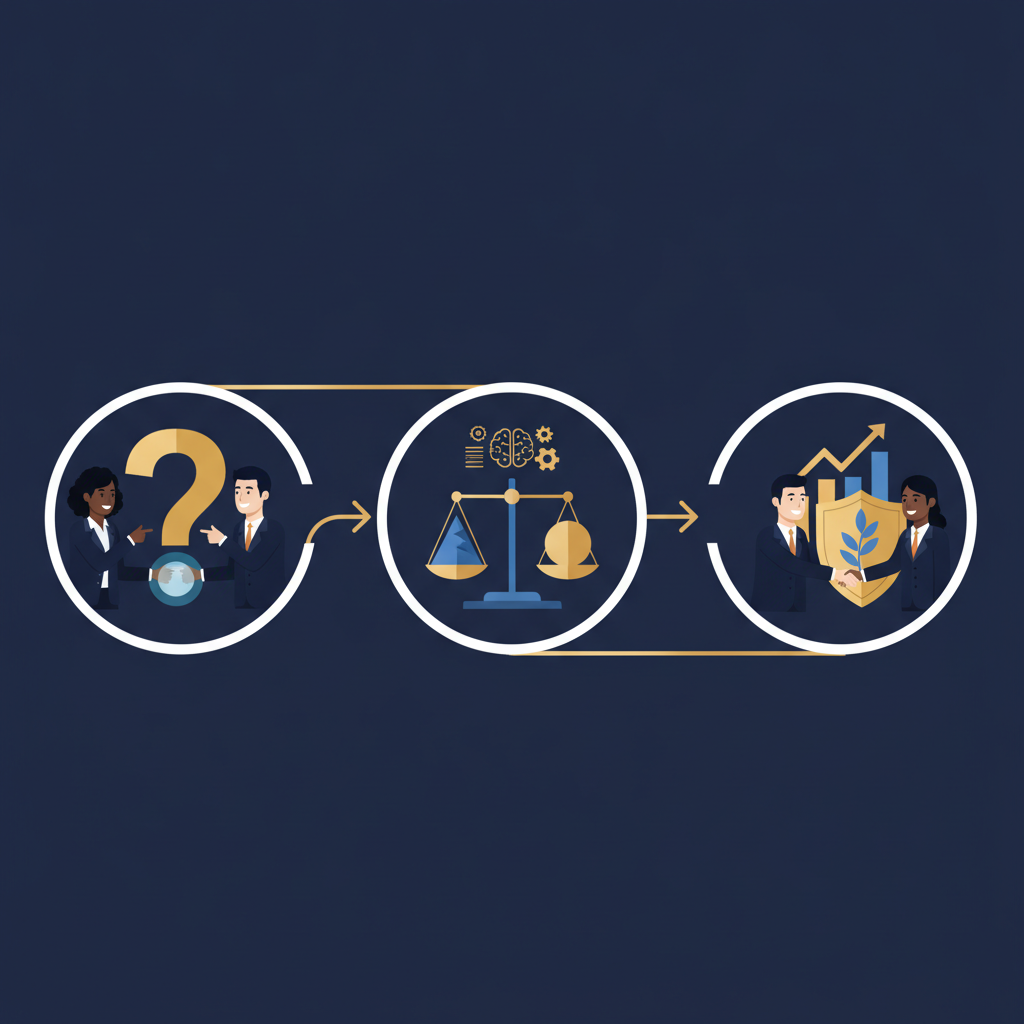
Welcome to Unit 2 of MGT 511, "Advanced Strategic Management in a Global Economy." In this unit, we delve into the critical ethical dimensions that permeate modern business operations, particularly in an increasingly interconnected and technologically driven world. As strategic leaders, understanding and proactively addressing ethical challenges is not merely a matter of compliance but a fundamental component of sustainable competitive advantage and long-term stakeholder value creation. This unit explores the intricate ethical considerations arising from technological advancements, marketing and advertising practices, and the complex realms of finance and accounting.
The rapid pace of technological innovation, from artificial intelligence to big data analytics, presents unprecedented opportunities while simultaneously introducing novel ethical dilemmas concerning privacy, intellectual property, and algorithmic bias. Concurrently, the global marketplace demands a heightened awareness of ethical marketing and advertising strategies, ensuring truthfulness, fairness, and respect for diverse consumer populations. Finally, the integrity of financial markets and corporate governance structures hinges on robust ethical frameworks in finance and accounting, crucial for maintaining investor confidence and preventing systemic failures.
Drawing upon the foundational principles of business ethics, this unit will equip you with the conceptual tools to analyze, evaluate, and formulate ethical responses to complex organizational challenges. We will examine various ethical theories and their practical applications, encouraging you to develop a nuanced perspective on corporate social responsibility and ethical leadership. By the end of this unit, you will be better prepared to guide your organizations through the ethical complexities of the 21st-century global economy, fostering cultures of integrity and responsible innovation.
The digital age has ushered in an era of unprecedented technological advancement, fundamentally reshaping how businesses operate, interact with customers, and manage information. From artificial intelligence (AI) and big data to the Internet of Things (IoT) and blockchain, these innovations offer immense potential for efficiency, growth, and societal benefit. However, they also introduce a complex array of ethical challenges that strategic leaders must navigate with diligence and foresight. This chapter explores the critical ethical considerations at the intersection of technology and business, emphasizing the need for responsible innovation and robust ethical governance (OpenStax, 2023).
Technology is not merely a tool; it is a transformative force that redefines ethical boundaries and responsibilities. Its pervasive nature means that ethical considerations are no longer confined to specific departments but are woven into the fabric of every business function, from product development and marketing to human resources and supply chain management. The speed at which technology evolves often outpaces the development of ethical norms and regulations, creating a dynamic environment where organizations must proactively establish their own ethical guidelines (OpenStax, 2023).
For instance, the ability to collect, process, and analyze vast quantities of personal data offers businesses unparalleled insights into consumer behavior, enabling highly personalized services and targeted marketing. Yet, this capability raises profound questions about individual privacy, data security, and the potential for misuse. Similarly, the deployment of AI systems promises enhanced decision-making and automation, but it also brings concerns about algorithmic bias, accountability for autonomous actions, and the displacement of human labor. Strategic leaders must therefore cultivate an ethical mindset that anticipates these challenges and integrates ethical considerations into every stage of technological adoption and deployment.
One of the most significant ethical challenges posed by modern technology is the erosion of privacy. In an era where personal data is often considered the "new oil," businesses routinely collect, store, and process vast amounts of information about individuals, often without their full understanding or explicit consent. This data can range from browsing history and location data to health records and financial transactions. The ethical imperative here is to balance the legitimate business needs for data with the fundamental right of individuals to privacy (OpenStax, 2023).
Data Collection and SurveillanceBusinesses collect data through various means, including website cookies, mobile applications, loyalty programs, and smart devices. While much of this data is used to improve user experience, personalize services, and optimize marketing efforts, the sheer volume and granularity of collected information can lead to concerns about pervasive surveillance. For example, employers might monitor employee communications or location, raising questions about trust and autonomy in the workplace. Governments and law enforcement agencies may also request access to private data, creating complex ethical and legal dilemmas for companies regarding their obligations to protect user privacy versus cooperating with authorities.
Data Security and BreachesThe collection of extensive personal data comes with a commensurate responsibility for its security. Data breaches, whether due to cyberattacks, insider threats, or negligence, can have devastating consequences for individuals and organizations. Ethically, companies have a duty to implement robust cybersecurity measures to protect sensitive information from unauthorized access, loss, or alteration. A breach not only compromises customer trust and damages reputation but can also lead to significant financial penalties, legal liabilities, and identity theft for affected individuals. The ethical obligation extends beyond mere compliance with data protection laws; it requires a proactive and continuous commitment to safeguarding digital assets and personal information.
Regulatory Frameworks: GDPR and CCPAIn response to growing privacy concerns, various regulatory frameworks have emerged globally, setting stricter standards for data protection. The General Data Protection Regulation (GDPR) in the European Union is a landmark legislation that grants individuals significant control over their personal data, including rights to access, rectification, erasure, and data portability. It imposes stringent requirements on organizations regarding data processing, consent, and breach notification, with severe penalties for non-compliance (OpenStax, 2023).
Similarly, the California Consumer Privacy Act (CCPA) in the United States provides California residents with rights concerning their personal information, such as the right to know what data is collected, the right to opt out of its sale, and the right to request deletion. These regulations highlight a global trend towards greater data privacy protection and underscore the ethical imperative for businesses to adopt privacy-by-design principles, integrating privacy considerations into the very architecture of their systems and processes from the outset.
Intellectual property (IP) refers to creations of the mind, such as inventions, literary and artistic works, designs, and symbols, names, and images used in commerce. In the digital age, the ease of copying, distributing, and modifying digital content has intensified ethical and legal challenges surrounding IP rights. Protecting IP is crucial for fostering innovation and rewarding creativity, but the digital environment often blurs the lines of ownership and fair use (OpenStax, 2023).
Copyright, Patents, and TrademarksCopyright protects original works of authorship, including software code, digital art, music, and written content. In the digital context, unauthorized reproduction or distribution of copyrighted material, often referred to as piracy, is a significant ethical and legal issue. Businesses must ensure that their use of digital content, whether for internal operations or public dissemination, respects existing copyrights.
Patents protect inventions, granting the inventor exclusive rights to make, use, and sell the invention for a specified period. In the technology sector, patent disputes are common, particularly concerning software algorithms and hardware designs. Ethical considerations arise when companies engage in "patent trolling" – acquiring patents not to innovate but to sue others for infringement – or when they attempt to patent fundamental concepts that could stifle broader innovation.
Trademarks protect brand names, logos, and slogans used to identify goods and services. In the digital space, trademark infringement can occur through domain squatting, keyword advertising, or the unauthorized use of brand elements in digital marketing. Ethically, businesses have a responsibility to respect the brand identities of others and avoid misleading consumers through deceptive use of trademarks.
Open Source and Collaborative InnovationThe rise of the open-source movement presents an alternative model to traditional proprietary IP. Open-source software, for example, is released under licenses that allow users to freely use, modify, and distribute the software and its source code. This model promotes collaboration, transparency, and rapid innovation, challenging the traditional view of IP as solely a means of exclusive control. Ethically, the open-source movement emphasizes shared knowledge and community benefit, but it also introduces complexities regarding attribution, licensing compliance, and the sustainability of development efforts (OpenStax, 2023).
For businesses, deciding whether to embrace open-source technologies or maintain proprietary control involves weighing the benefits of collaborative innovation against the desire for exclusive competitive advantage. Ethical leadership in this context requires a clear understanding of licensing agreements and a commitment to contributing back to the open-source community when appropriate.
Artificial intelligence (AI) is rapidly transforming industries, offering capabilities ranging from predictive analytics and automated decision-making to natural language processing and robotics. While AI holds immense promise, its deployment raises profound ethical questions that demand careful consideration from strategic leaders (OpenStax, 2023).
Algorithmic Bias and FairnessOne of the most critical ethical concerns with AI is algorithmic bias. AI systems learn from data, and if the training data reflects existing societal biases (e.g., racial, gender, socioeconomic), the AI system will perpetuate and even amplify those biases in its decisions. For example, AI-powered hiring tools might unfairly screen out qualified candidates from underrepresented groups if trained on historical hiring data that favored certain demographics. Similarly, facial recognition systems have been shown to be less accurate in identifying individuals with darker skin tones, leading to potential injustices.
Ethically, organizations deploying AI have a responsibility to ensure fairness and prevent discrimination. This requires meticulous attention to data collection, algorithm design, and continuous monitoring for biased outcomes. It also necessitates transparency about how AI systems make decisions and mechanisms for human oversight and intervention.
Accountability and ResponsibilityAs AI systems become more autonomous, determining accountability for their actions becomes increasingly complex. If an autonomous vehicle causes an accident, who is responsible: the manufacturer, the software developer, the owner, or the AI itself? If an AI system makes a flawed financial decision that leads to significant losses, who bears the ethical and legal burden?
Strategic leaders must establish clear lines of accountability for AI systems, even when they operate with a high degree of autonomy. This involves defining the roles and responsibilities of developers, deployers, and operators, and ensuring that human oversight mechanisms are in place. The ethical principle here is that ultimate responsibility for the impact of AI systems must always reside with humans.
Job Displacement and the Future of WorkThe increasing automation driven by AI and robotics raises concerns about job displacement and its societal implications. While technology has historically created new jobs even as it automates others, the scale and speed of current AI advancements suggest a potentially disruptive impact on labor markets. Ethically, businesses have a responsibility to consider the broader societal impact of their automation strategies.
This includes investing in reskilling and upskilling programs for employees whose jobs are at risk, exploring new business models that leverage human-AI collaboration, and advocating for policies that support workers through transitions. A purely profit-driven approach to automation, without regard for its human cost, can lead to significant social unrest and ethical condemnation.
In an interconnected world, cybersecurity is not merely an IT concern; it is a fundamental ethical imperative for all organizations. The proliferation of digital data and the increasing sophistication of cyber threats mean that businesses face constant pressure to protect their systems and information. A failure in cybersecurity can have catastrophic ethical and financial consequences (OpenStax, 2023).
Organizational ResponsibilitiesOrganizations have an ethical responsibility to protect the data they collect and store, not only from external threats but also from internal misuse. This responsibility extends to customer data, employee information, intellectual property, and critical operational data. Implementing robust cybersecurity measures, such as encryption, multi-factor authentication, regular security audits, and employee training, is an ethical duty.
Beyond technical measures, an ethical cybersecurity posture requires a culture of security awareness throughout the organization, from the C-suite to frontline employees. It also involves having clear incident response plans in place to manage breaches effectively, minimize harm, and communicate transparently with affected parties.
Impact of Data BreachesThe ethical implications of a data breach are far-reaching. For individuals, a breach can lead to identity theft, financial fraud, reputational damage, and emotional distress. For organizations, it can result in significant financial losses from regulatory fines, legal settlements, and remediation costs. Perhaps more importantly, a breach erodes trust – trust from customers, investors, and the public – which can take years to rebuild, if at all. Ethically, organizations must prioritize the well-being of those whose data they hold and act with integrity and transparency in the event of a breach, including timely notification and offering support to affected individuals.
Social media platforms have become indispensable tools for communication, marketing, and community building. However, their pervasive nature also introduces unique ethical challenges for businesses and individuals alike (OpenStax, 2023).
Corporate Presence and Reputation ManagementCompanies use social media to engage with customers, build brands, and disseminate information. Ethically, they must ensure that their social media presence is authentic, transparent, and respectful. This includes avoiding deceptive practices, responding to customer feedback (both positive and negative) constructively, and maintaining a professional tone. Misleading posts, aggressive marketing tactics, or inappropriate content can quickly damage a company's reputation and erode public trust.
Employee Conduct and Digital CitizenshipThe line between personal and professional life can blur on social media. Employees' online conduct, even on personal accounts, can reflect on their employer. Ethically, organizations need to establish clear social media policies that guide employee behavior, balancing the right to free expression with the need to protect the company's reputation and confidential information. These policies should be communicated transparently and enforced fairly.
Misinformation and DisinformationSocial media platforms can be fertile ground for the spread of misinformation and disinformation, which can have serious ethical implications for businesses and society. Companies must be vigilant about the accuracy of the information they share and avoid inadvertently or intentionally contributing to the spread of false narratives. Ethical leadership requires a commitment to truthfulness and responsible communication in all digital interactions.
While technology offers immense benefits, its uneven distribution creates a "digital divide" – a gap between those who have access to modern information and communication technologies and those who do not. This divide can exacerbate existing socioeconomic inequalities, limiting access to education, healthcare, economic opportunities, and civic participation (OpenStax, 2023).
Ethically, businesses have a role to play in bridging this divide. This can involve developing affordable technologies, extending internet access to underserved communities, creating user-friendly interfaces for diverse populations, and supporting digital literacy initiatives. A commitment to inclusive technology development and deployment is an ethical imperative for organizations operating in a globalized world, ensuring that the benefits of technology are accessible to all, not just a privileged few.
To navigate these complex ethical landscapes, organizations can draw upon established ethical frameworks and develop their own principles for responsible technology use. These frameworks provide a structured approach to identifying, analyzing, and resolving ethical dilemmas (OpenStax, 2023).
UtilitarianismA utilitarian approach would focus on maximizing the overall good or benefit for the greatest number of stakeholders. In the context of technology, this would involve assessing the potential benefits (e.g., efficiency, convenience) against the potential harms (e.g., privacy invasion, job displacement) and choosing the option that produces the most positive net outcome. For example, a company might weigh the economic benefits of AI automation against the social costs of job losses and seek solutions that mitigate the latter.
DeontologyDeontological ethics emphasizes duties, rules, and rights, regardless of the consequences. From a deontological perspective, certain actions are inherently right or wrong. For technology, this would mean adhering to principles such as respecting individual privacy rights, ensuring fairness in algorithmic decision-making, and upholding intellectual property laws, even if doing so might not always lead to the most expedient or profitable outcome. For instance, a company might refuse to sell user data to third parties, even if it's financially lucrative, because it violates a fundamental duty to protect user privacy.
Virtue EthicsVirtue ethics focuses on the character of the decision-maker and the virtues they embody. For technology, this would involve cultivating virtues such as honesty, integrity, responsibility, and compassion in the development and deployment of technological solutions. An organization guided by virtue ethics would strive to be a responsible digital citizen, prioritizing ethical considerations in its innovation processes and fostering a culture of ethical awareness among its employees.
Integrating Ethics into Technology StrategyUltimately, strategic leaders must integrate ethical considerations into their core technology strategies. This involves:
By adopting a proactive and comprehensive approach to technology ethics, organizations can harness the power of innovation responsibly, build trust with stakeholders, and contribute to a more equitable and sustainable digital future.
Marketing and advertising are powerful tools that shape consumer perceptions, influence purchasing decisions, and drive economic activity. However, their pervasive nature and persuasive intent also place them at the forefront of ethical scrutiny. This chapter explores the multifaceted ethical considerations inherent in marketing and advertising practices, from ensuring truthfulness and protecting vulnerable populations to addressing product safety and promoting responsible consumption. Strategic leaders must understand that ethical marketing is not merely a compliance issue but a cornerstone of building brand trust, fostering long-term customer relationships, and achieving sustainable business success (OpenStax, 2023).
At its core, ethical marketing is about conducting business in a manner that respects the dignity and autonomy of consumers, contributes positively to society, and operates within the bounds of fairness and transparency. It moves beyond a purely transactional view of marketing to embrace a stakeholder-centric approach, considering the impact of marketing activities on customers, employees, competitors, and society at large (OpenStax, 2023).
The power imbalance between marketers and consumers often necessitates a higher ethical standard. Marketers possess sophisticated tools and psychological insights to influence behavior, creating a responsibility to use these tools ethically. This means avoiding manipulation, deception, and exploitation, and instead focusing on providing genuine value and empowering consumers to make informed choices.
A fundamental ethical principle in marketing is truthfulness. Consumers rely on accurate information to make purchasing decisions, and any form of deception or misrepresentation undermines this trust. While "puffery" – exaggerated claims that are not meant to be taken literally – has traditionally been tolerated, the line between harmless puffery and misleading advertising can be thin and ethically problematic (OpenStax, 2023).
Deceptive AdvertisingDeceptive advertising involves making false or misleading claims about a product or service. This can include misrepresenting product features, performance, price, or benefits. For example, advertising a product as "all-natural" when it contains synthetic ingredients, or claiming a weight-loss supplement guarantees results without scientific evidence, constitutes deceptive advertising. Such practices not only harm consumers but also erode the credibility of the entire industry. Regulatory bodies like the Federal Trade Commission (FTC) in the U.S. actively monitor and penalize deceptive advertising, but ethical responsibility extends beyond legal compliance.
Omissions and Half-TruthsEthical concerns also arise from omissions or half-truths, where marketers selectively present information to create a favorable but incomplete picture. For instance, highlighting a product's benefits while omitting crucial information about potential side effects or environmental impact can be ethically questionable. Transparency requires marketers to provide all material information that a reasonable consumer would need to make an informed decision, even if that information is not entirely flattering.
Native Advertising and Influencer MarketingThe rise of native advertising (content that blends seamlessly with editorial content) and influencer marketing (where individuals promote products on social media) introduces new ethical challenges related to transparency. Consumers may not always recognize that they are being exposed to paid promotional content. Ethically, marketers and influencers have a responsibility to clearly disclose sponsored content, ensuring that consumers are aware of the commercial nature of the communication. Failure to do so can be seen as deceptive and manipulative.
One of the most sensitive ethical areas in marketing involves targeting vulnerable populations. These groups, due to age, socioeconomic status, health conditions, or other factors, may be less able to make informed decisions or more susceptible to persuasive tactics. Ethically, marketers have a heightened responsibility to protect these populations from exploitation (OpenStax, 2023).
Children and AdolescentsChildren are particularly vulnerable to marketing due to their limited cognitive abilities, inability to distinguish between advertising and entertainment, and susceptibility to peer pressure. Marketing products like sugary cereals, unhealthy fast food, or violent toys directly to children raises significant ethical concerns about their health, well-being, and development. Ethical marketing to children requires restraint, honesty, and a focus on promoting healthy choices and positive values. Many countries have strict regulations regarding advertising to children, but ethical self-regulation is also crucial.
Economically Disadvantaged ConsumersTargeting economically disadvantaged consumers with high-interest loans, predatory credit schemes, or overpriced essential goods is ethically problematic. These individuals may have limited financial literacy and fewer alternatives, making them susceptible to exploitative practices. Ethical marketing demands that businesses offer fair terms, transparent pricing, and products that genuinely meet the needs of these consumers without exacerbating their financial difficulties.
Individuals with Health Conditions or AddictionsMarketing products or services that promise miraculous cures for serious health conditions, or targeting individuals struggling with addictions (e.g., gambling, tobacco, alcohol) with manipulative advertising, raises severe ethical concerns. Such practices can exploit desperation, offer false hope, and potentially cause significant harm. Ethical marketing in these areas requires extreme caution, adherence to scientific evidence, and a commitment to public health.
Beyond the marketing message itself, the ethical responsibility of businesses extends to the safety and quality of the products they offer. Consumers have a right to expect that products are safe for their intended use and that companies will take responsibility for any harm caused by defects (OpenStax, 2023).
Designing for SafetyEthical product development begins with designing for safety. This involves rigorous testing, quality control, and adherence to safety standards throughout the manufacturing process. Companies have an ethical duty to anticipate potential risks and implement measures to mitigate them. For example, an automotive manufacturer has a responsibility to design vehicles with robust safety features and conduct extensive crash testing.
Warning Labels and User InstructionsWhen products carry inherent risks, ethical marketing requires clear and prominent warning labels and comprehensive user instructions. These should be easily understandable and communicate potential hazards effectively. Failure to provide adequate warnings, even if a product is generally safe, can be an ethical lapse, as it prevents consumers from making informed decisions about how to use the product safely.
Product Recalls and Post-Sale ResponsibilityDespite best efforts, product defects can sometimes emerge after a product has been released to the market. Ethically, companies have a responsibility to act swiftly and transparently in such situations. This includes issuing timely product recalls, providing clear instructions for consumers, and offering remedies such as repairs, replacements, or refunds. Attempting to conceal defects or delay recalls to avoid financial costs is a severe ethical breach that can lead to significant harm and reputational damage.
Pricing strategies, while primarily driven by market dynamics and cost structures, also carry significant ethical dimensions. Unethical pricing practices can exploit consumers, stifle competition, and damage public trust (OpenStax, 2023).
Price GougingPrice gouging occurs when sellers dramatically increase the prices of essential goods or services during times of crisis or emergency (e.g., natural disasters). While market demand may surge, exploiting vulnerable consumers by charging exorbitant prices for necessities like water, generators, or shelter is widely considered unethical. It preys on desperation and undermines principles of fairness and social responsibility.
Predatory PricingPredatory pricing involves setting prices artificially low to drive competitors out of the market, with the intention of raising prices once competition is eliminated. While aggressive pricing can be a legitimate competitive strategy, predatory pricing is unethical because it aims to create a monopoly and ultimately harms consumer choice and market fairness. It is often illegal under antitrust laws.
Price DiscriminationPrice discrimination, where different customers are charged different prices for the same product or service, can be ethically complex. While some forms, like student discounts or senior citizen rates, are generally accepted as beneficial, other forms can be discriminatory and unfair. For example, charging higher prices to customers in less affluent neighborhoods or using data analytics to identify and charge individual customers the maximum price they are willing to pay can raise ethical concerns about fairness and equity.
Advertising, as a highly visible and persuasive form of communication, is subject to intense ethical scrutiny. Beyond truthfulness, ethical advertising considers its broader societal impact and the methods used to influence consumers (OpenStax, 2023).
Puffery vs. DeceptionAs mentioned, puffery involves exaggerated claims that are not meant to be taken literally (e.g., "the best coffee in the world"). While generally permissible, the ethical line is crossed when puffery becomes deceptive, implying factual claims that are untrue. Marketers must carefully distinguish between subjective opinions and objective claims that require substantiation.
Stereotyping and ObjectificationAdvertising often relies on stereotypes to quickly convey messages, but this can perpetuate harmful social biases related to gender, race, age, or other characteristics. Objectifying individuals, particularly women, in advertising is a common ethical criticism, reducing people to mere objects for sexual appeal rather than respecting their humanity. Ethical advertising strives for inclusive representation and avoids reinforcing harmful stereotypes or objectification.
Subliminal Messages and ManipulationThe use of subliminal messages (messages below the threshold of conscious perception) in advertising is widely considered unethical and is often illegal. Such messages bypass conscious thought and attempt to manipulate consumers without their awareness or consent, undermining their autonomy. More broadly, any advertising tactic that seeks to manipulate consumers through psychological tricks rather than rational persuasion raises ethical concerns.
Green Marketing and Ethical ConsumerismWith growing environmental awareness, "green marketing" has become prevalent, where companies promote the environmental benefits of their products or practices. Ethically, green marketing must be authentic and avoid "greenwashing" – making misleading or unsubstantiated claims about environmental friendliness. Greenwashing deceives consumers who genuinely wish to make sustainable choices and undermines legitimate efforts by truly eco-conscious companies (OpenStax, 2023).
Ethical consumerism, driven by consumers' desire to support socially responsible businesses, also places an ethical burden on companies to ensure their claims about fair labor practices, sustainable sourcing, and charitable contributions are verifiable and transparent. Companies must be prepared to back up their ethical claims with concrete actions and verifiable data.
The extensive use of consumer data for targeted marketing raises significant ethical questions about privacy. While personalization can enhance the customer experience, the collection and use of personal data must be conducted ethically (OpenStax, 2023).
Consent and Data UsageEthical data privacy in marketing requires obtaining informed consent from consumers regarding the collection and use of their data. This means clearly explaining what data is being collected, how it will be used, and who it will be shared with, in easily understandable language. Opt-out mechanisms should be readily available, and companies should respect consumer choices regarding their data.
Profiling and SurveillanceAdvanced data analytics enable companies to create detailed profiles of individual consumers, predicting their behaviors and preferences. While useful for targeted advertising, this practice can feel like surveillance and raise concerns about autonomy and manipulation. Ethically, companies must consider the potential for harm from such profiling, particularly if it leads to discriminatory practices or exploits vulnerabilities.
Social media marketing presents a unique set of ethical challenges due to its interactive, public, and often informal nature (OpenStax, 2023).
Transparency and AuthenticityAs mentioned earlier, transparency in disclosing sponsored content is crucial. Beyond this, ethical social media marketing requires authenticity. Companies should avoid creating fake profiles, generating artificial engagement (e.g., buying followers), or engaging in astroturfing (creating fake grassroots support). Genuine engagement and honest communication build trust.
User-Generated Content and ModerationCompanies often encourage user-generated content (UGC), but they also have an ethical responsibility to moderate it. This means removing offensive, harmful, or misleading content posted on their platforms. Balancing free expression with the need to maintain a respectful and safe online environment is an ongoing ethical challenge.
Privacy on Social MediaSocial media platforms collect vast amounts of user data, which is then used for targeted advertising. Ethical concerns arise regarding the transparency of these data practices, the ease with which users can control their privacy settings, and the potential for data breaches. Companies advertising on these platforms must also be mindful of the privacy settings and expectations of their target audience.
33 more pages — plus PDF download, in-book notes, vocabulary highlights, and personal library sync — require paid enrollment.
Free tier: audio, MP4, namecentury.us study groups, and this 50% page preview.
Enroll for full handbook access
California Century University Editor
Voice reads the handbook text on this page. Karaoke highlights one phrase at a time. First run may take a minute.
Share this handbook reader with colleagues, students, or on your social networks.
Link: https://edu.namecentury.com/my-training/library-read.php?course=mgt-511
NC.EL.82 · NC.EL.84 · ~29754 words · 36 spreads
Hi! I'm NC Support AI for California Century University. Ask about courses, previews, or certificates.